The End of Quiet [Tribeca Festival Review]
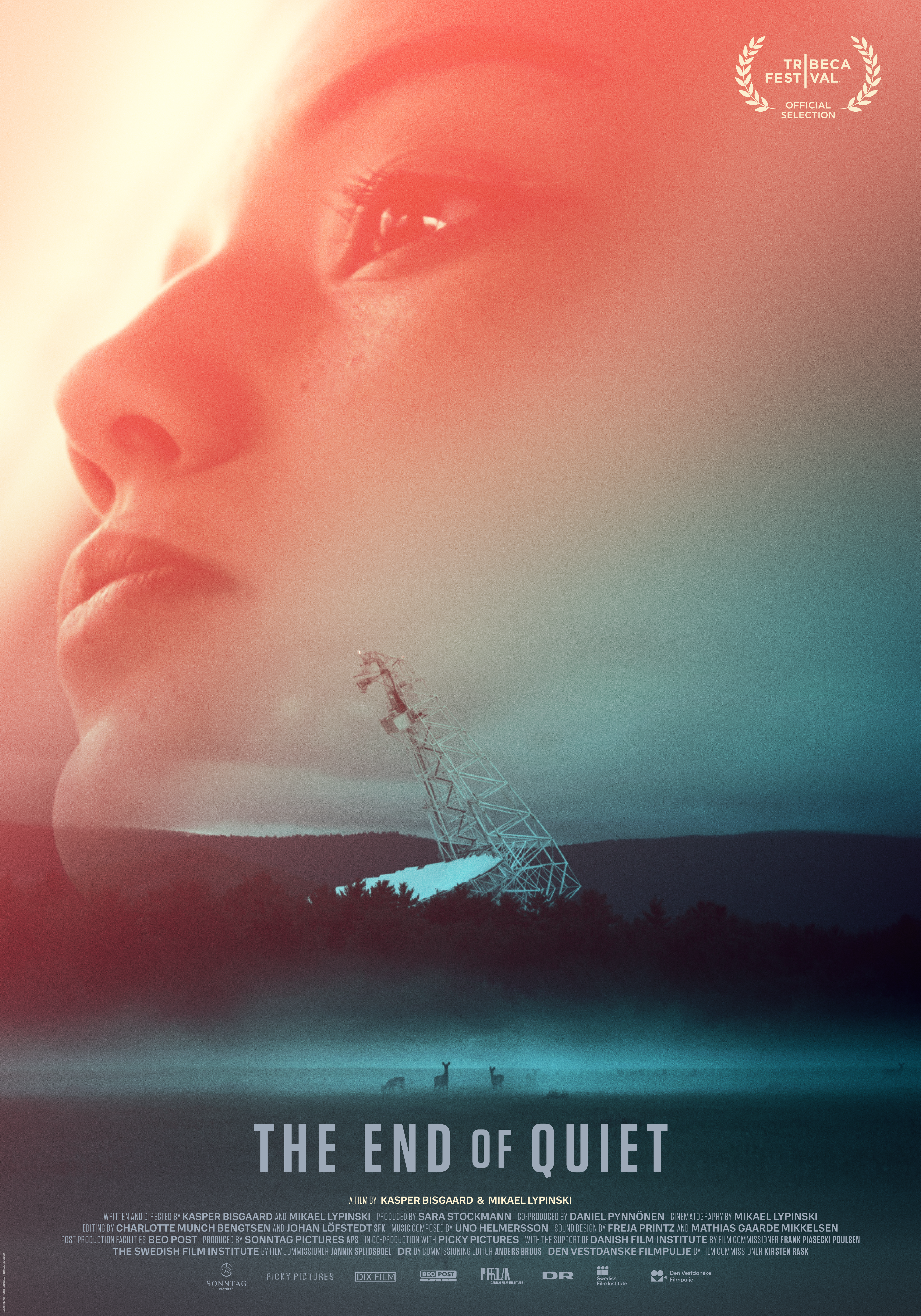
The End of Quiet is not a horror movie, although it might as well be. The documentary, which had its world premiere at the 2025 Tribeca Festival, details life in Green Bank, West Virginia. The tiny, remote town houses the world’s largest radio telescope. Scientists monitor sounds coming from space, hoping to determine if there’s life out there somewhere. As a result of the telescope’s existence, Green Bank is a “Quiet Zone” where cell phones, Wi-Fi, and other electronic interference is prohibited, forcing residents to live an isolated existence. It’s like time froze in 1990. Seeing the impact on the locals is surprisingly eerie.
The movie is divided into two sections. In the first, we meet a bunch of Green Bank’s residents, including: a teenage couple planning marriage and kids; a gun nut who enjoys shooting things because “there’s nothing else to do”; and a woman who believes she’s allergic to electromagnetic waves and has subsequently left her husband to move here. Life in the Quiet Zone causes them to feel disconnected from the rest of society. Their thoughts often turn toward pondering the existence of God and aliens.
Also introduced is an unnamed scientist who explains that the increasing number of objects that run on signals is threatening to drown out anything the telescope might pick up.
The second section takes place three years later, when those pesky signals have crept in, despite efforts to keep them out. It’s stunning to see the impact that has. Green Bank’s citizens suddenly have access to things that were previously forbidden. Relationships change as a result of increased connectivity. Particularly rattling is what happens to that gun nut once he has access to online conspiracy theories and propaganda. His whole outlook intensifies, and in one eerie sequence, he implies a willingness to go to war against his own country.
The End of Quiet is a meditative documentary that never forces a narrative upon itself. Directors Kasper Bisgaard and Mikael Lypinski allow their cameras to simply observe, so viewers can draw their own conclusions. There is subtlety to the approach. They don’t underline the changes post-WiFi and cellphone service. You have to look for them. Rather than telling you what to think, the movie invites you to contemplate which way is better for the town – and, by extension, how signals have impacted society in general.
Slightly more time could have been spent with the scientist to firmly convey why electronic interference would be catastrophic for his work. Nevertheless, the film still manages to convey the tense nature of the situation. Many people are impacted by the desire of a few to conduct their business. It is impossible to watch The End of Quiet and not be intellectually stimulated. By observing one of the most uncommon places on the planet, this haunting documentary encourages thought about where endless connectivity might be taking us.
© 2025 Mike McGranaghan